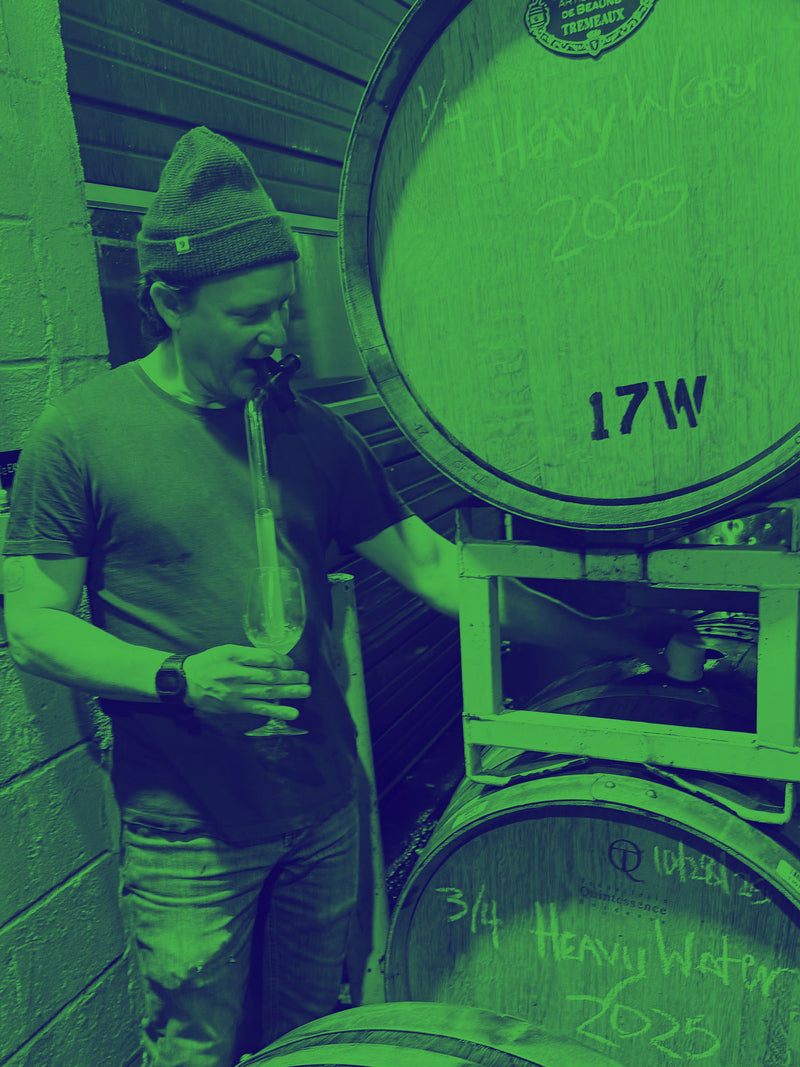
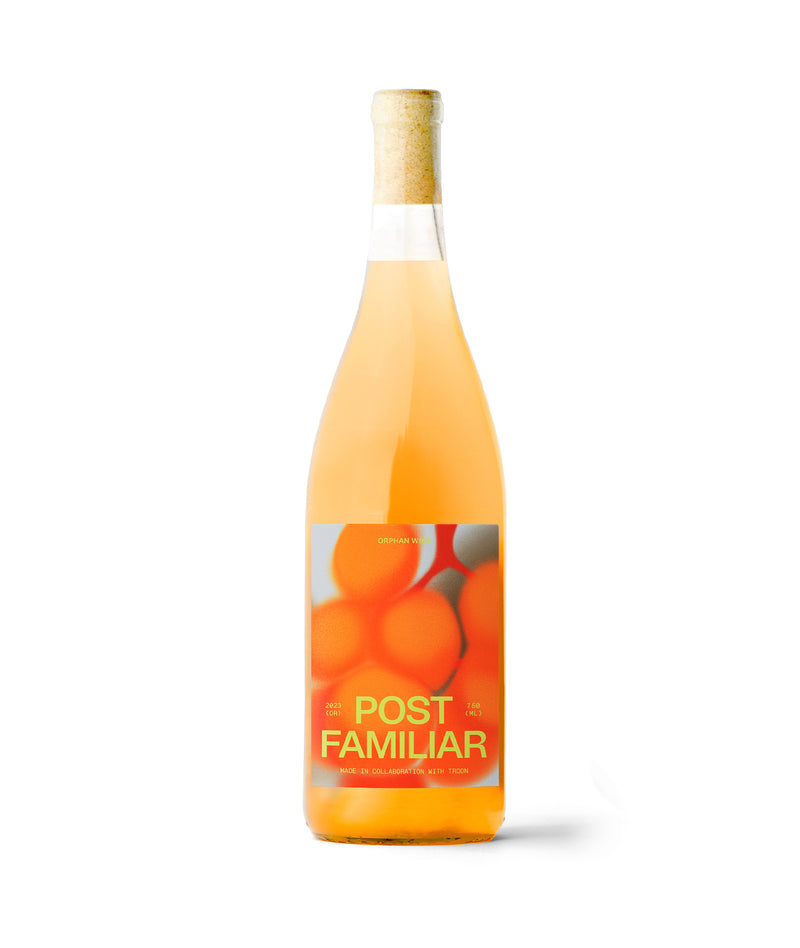
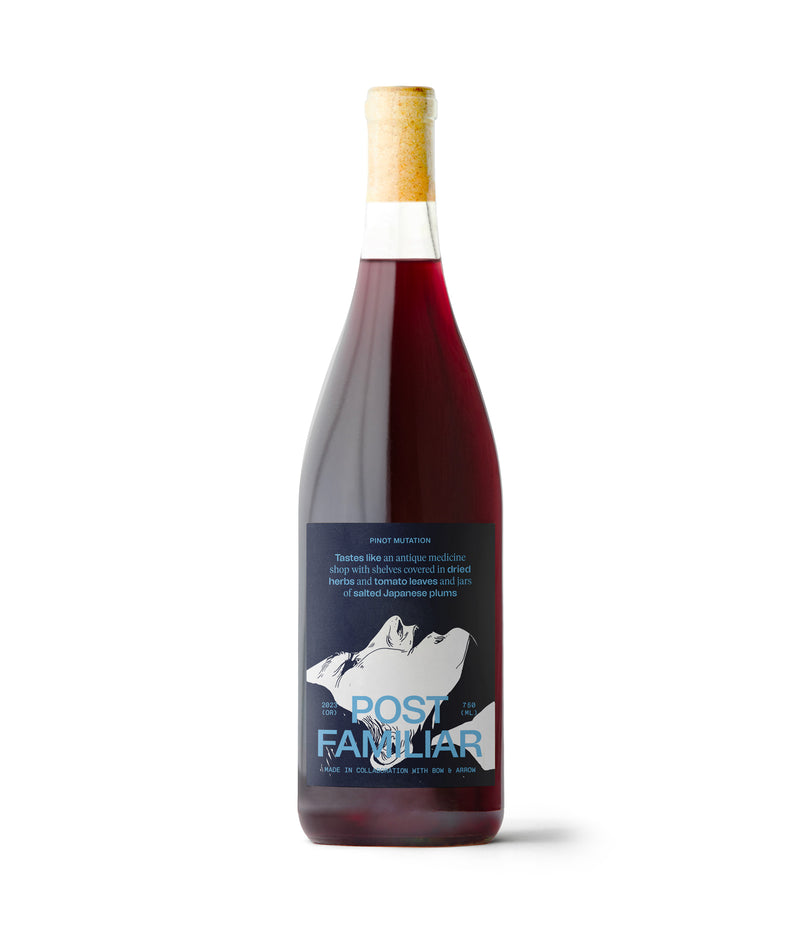
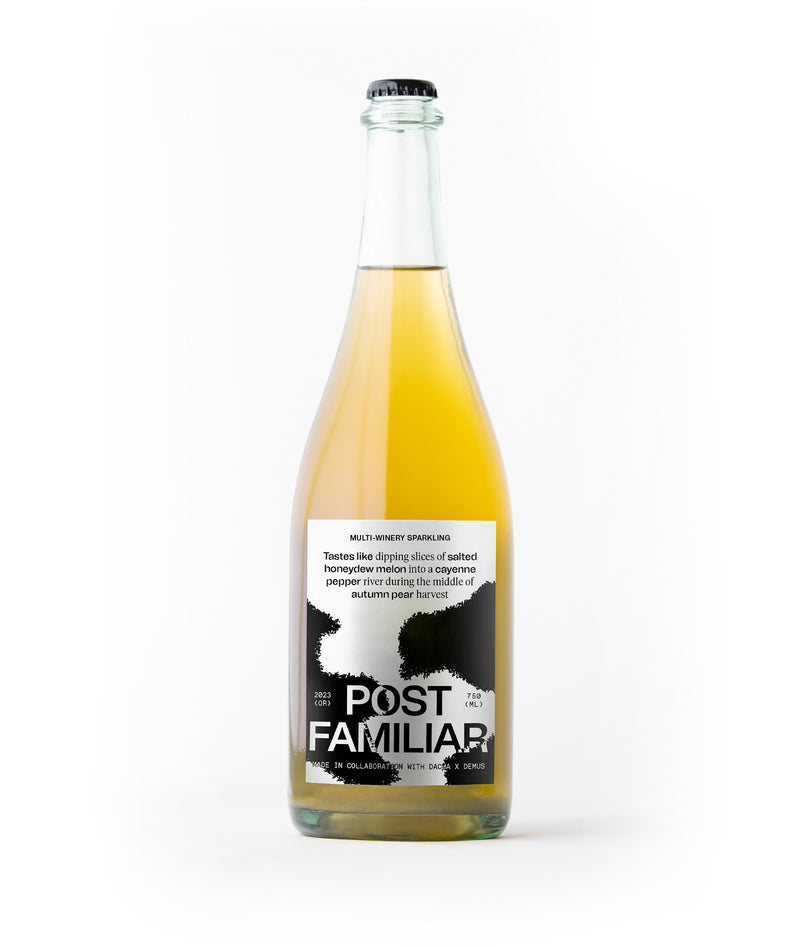
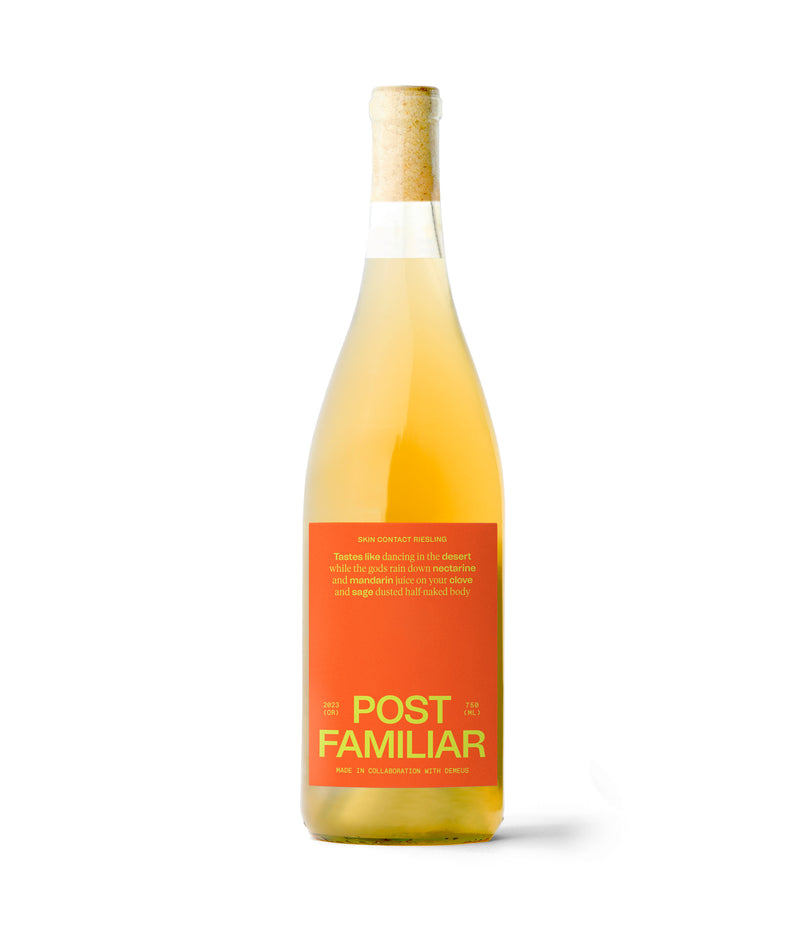
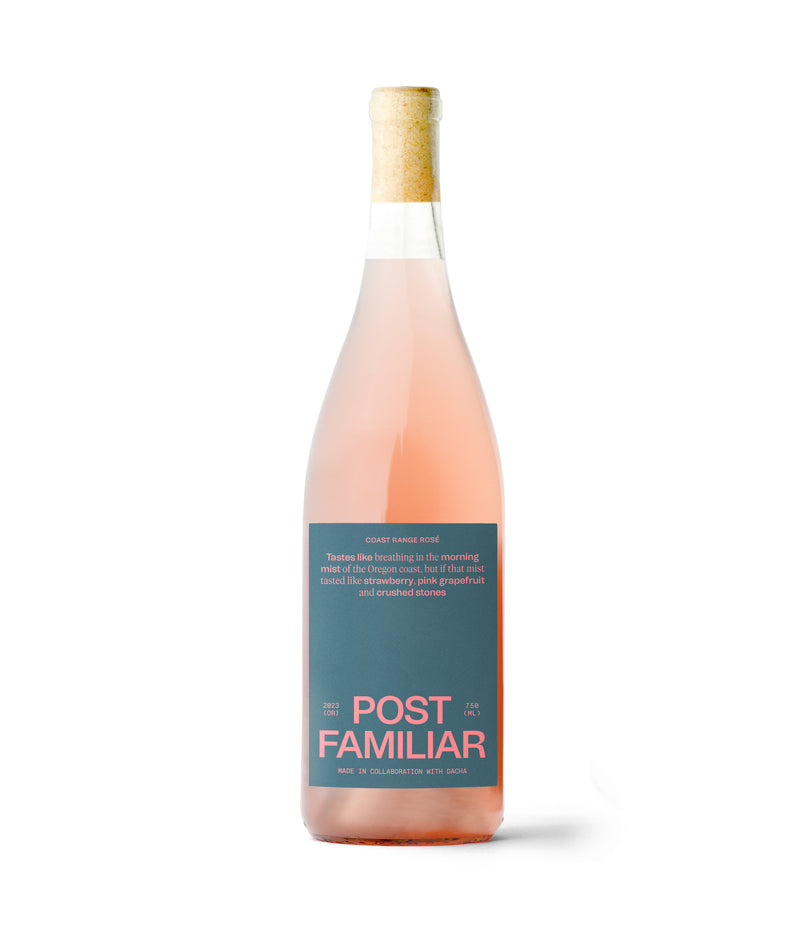
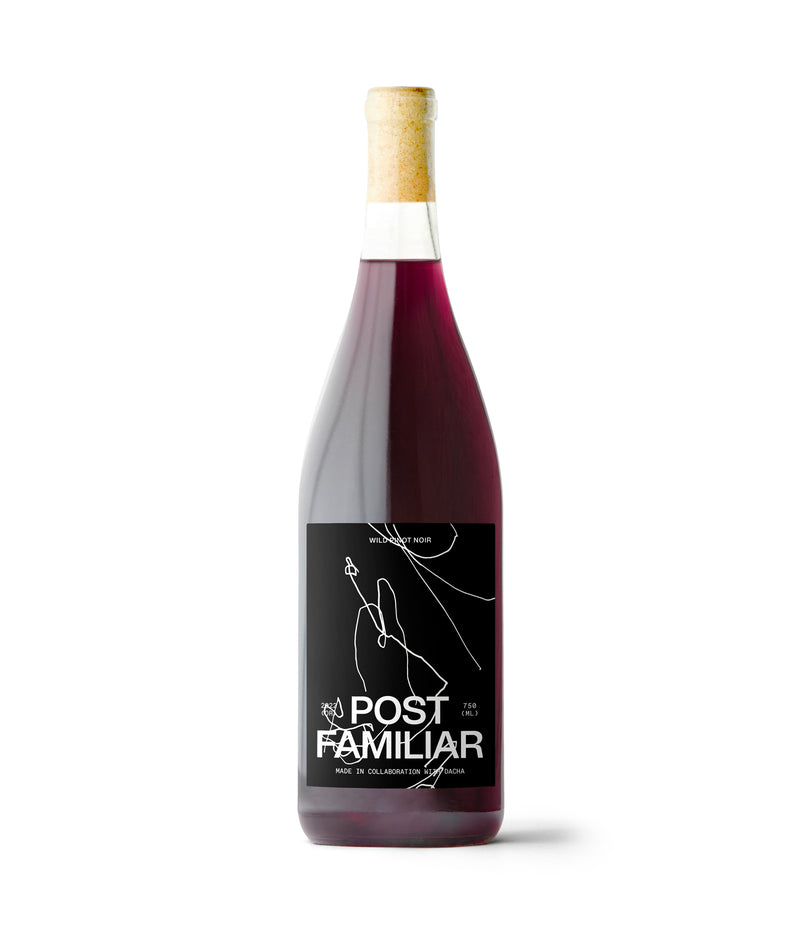
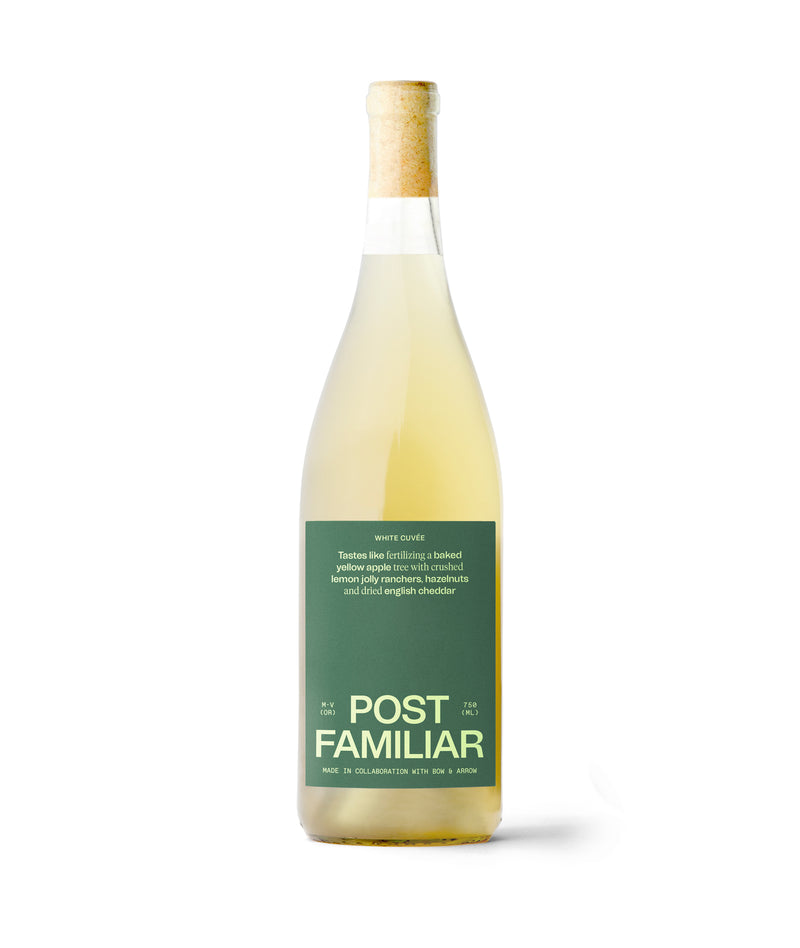
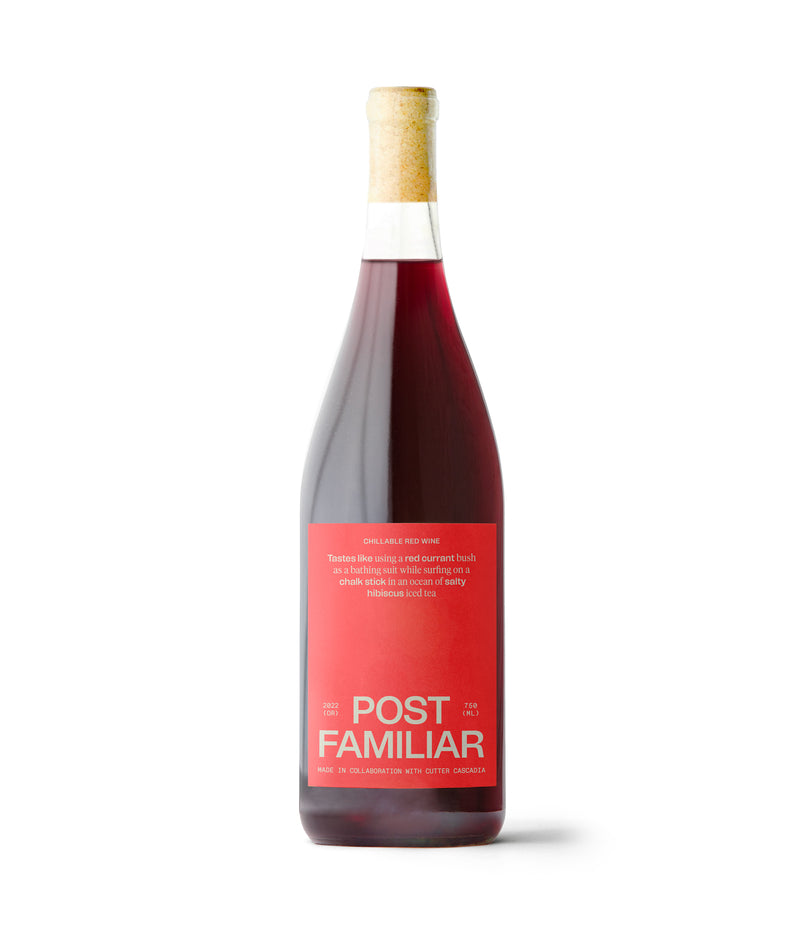
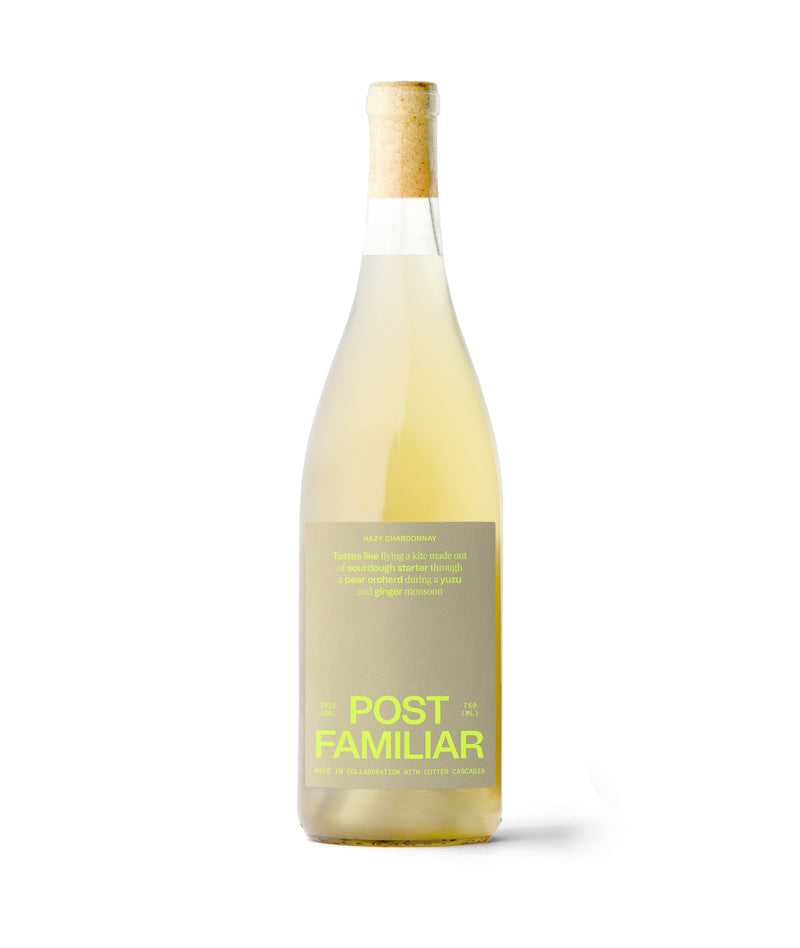
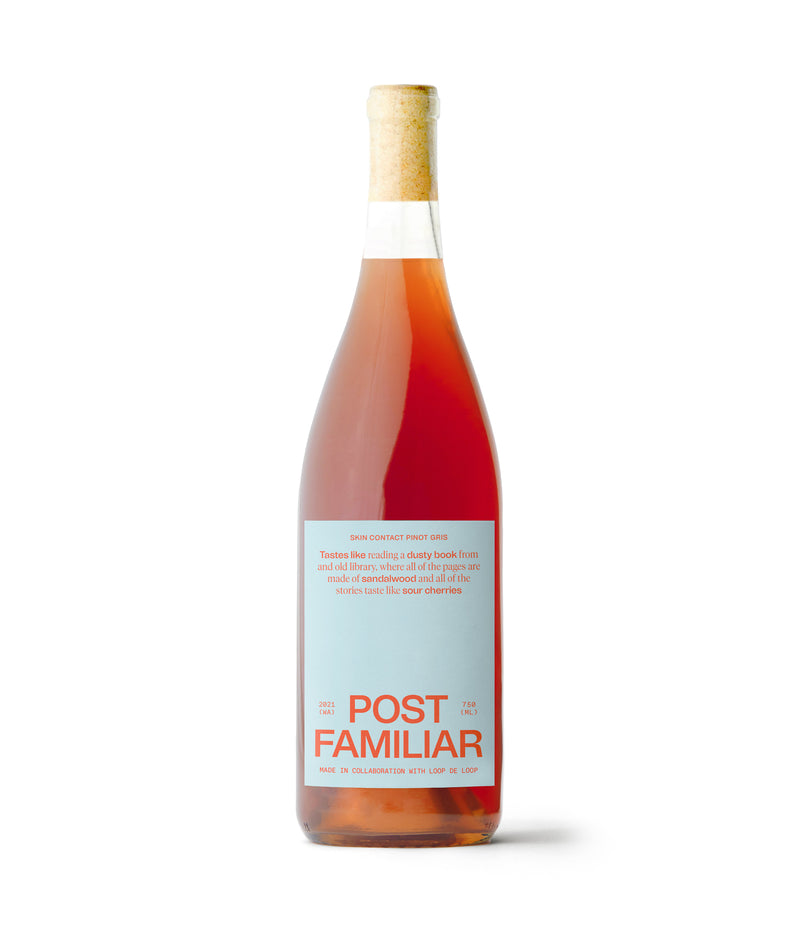
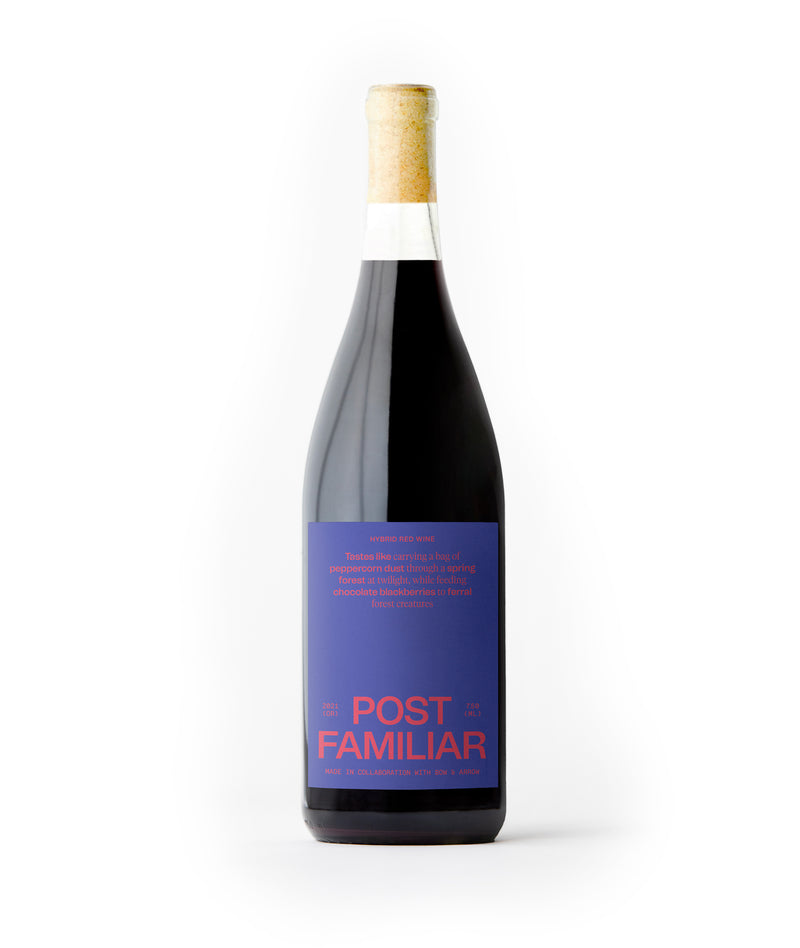
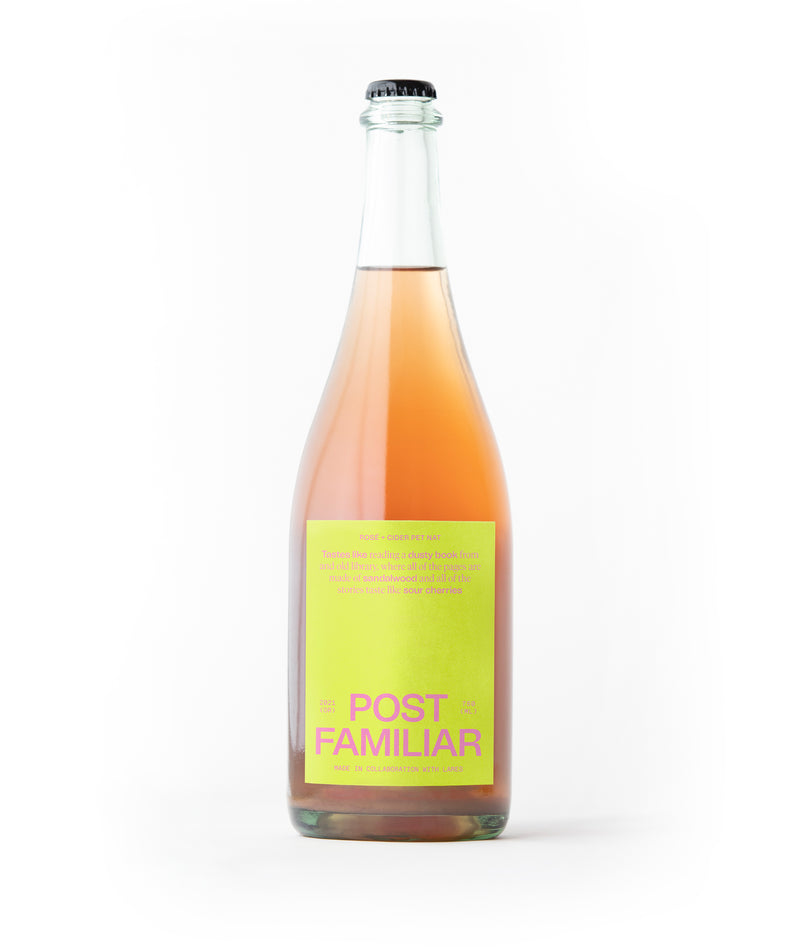
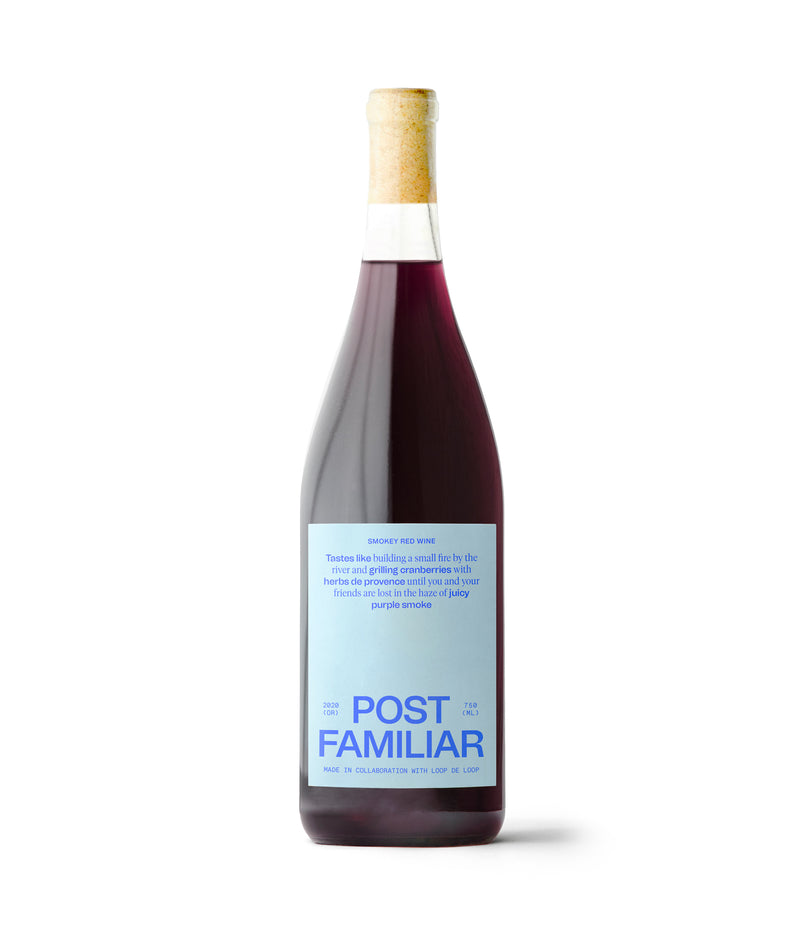
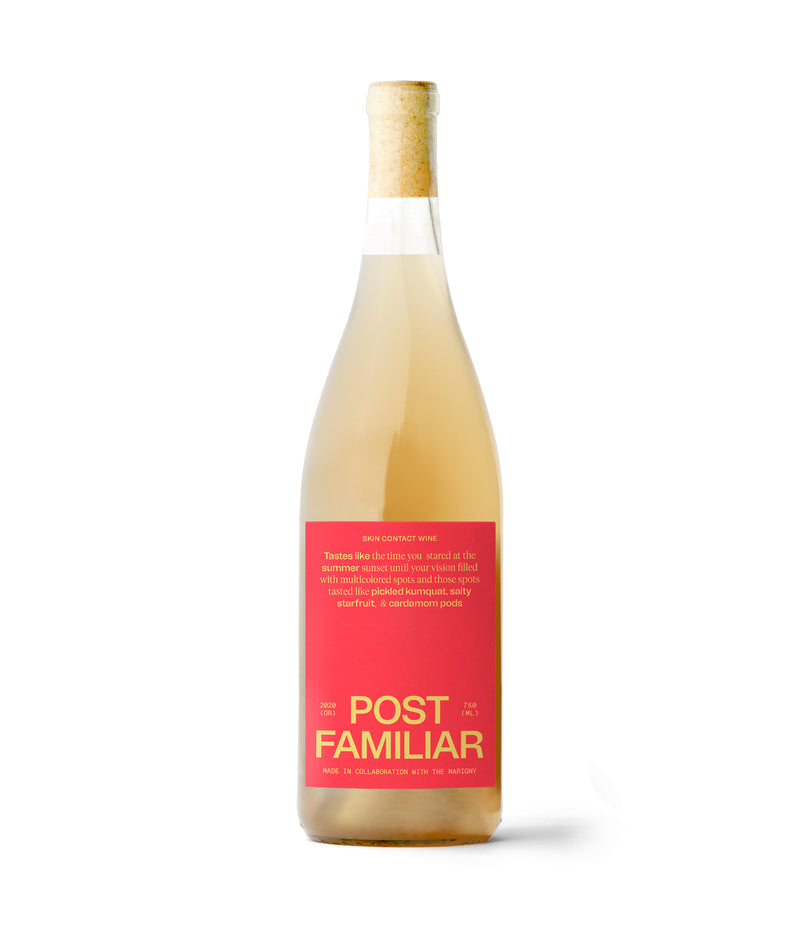
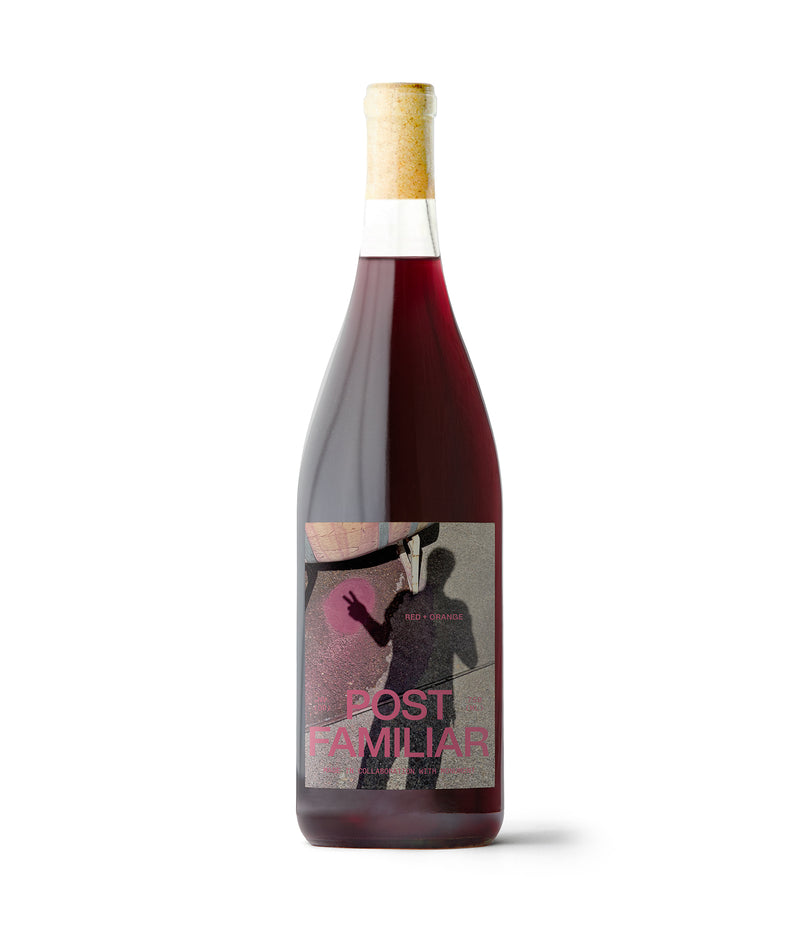
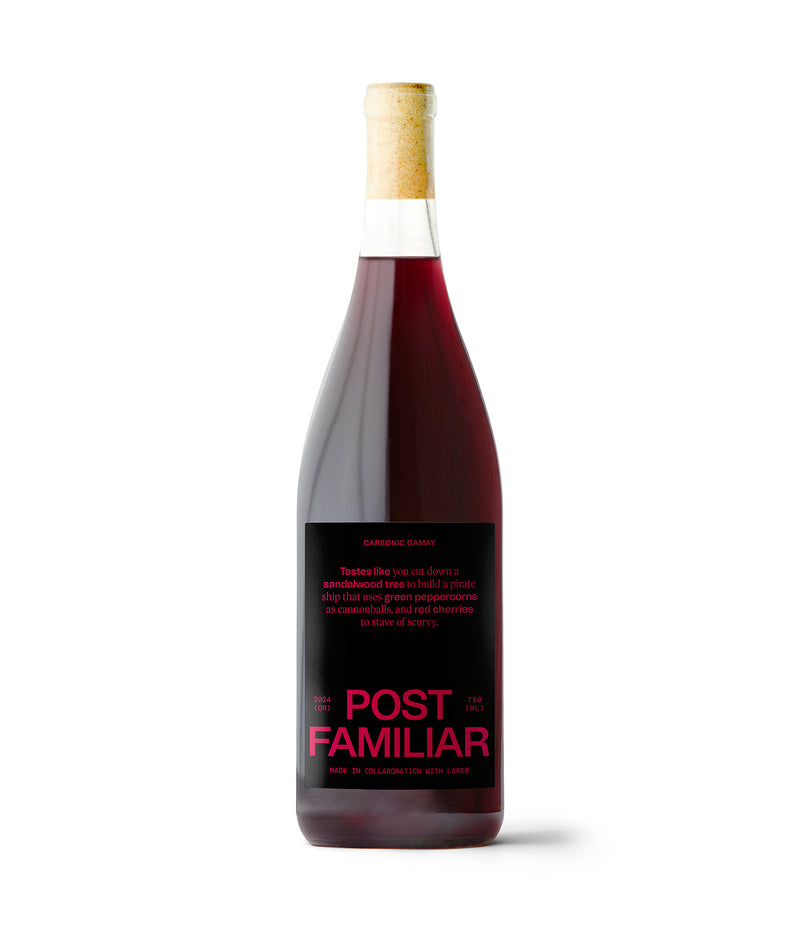
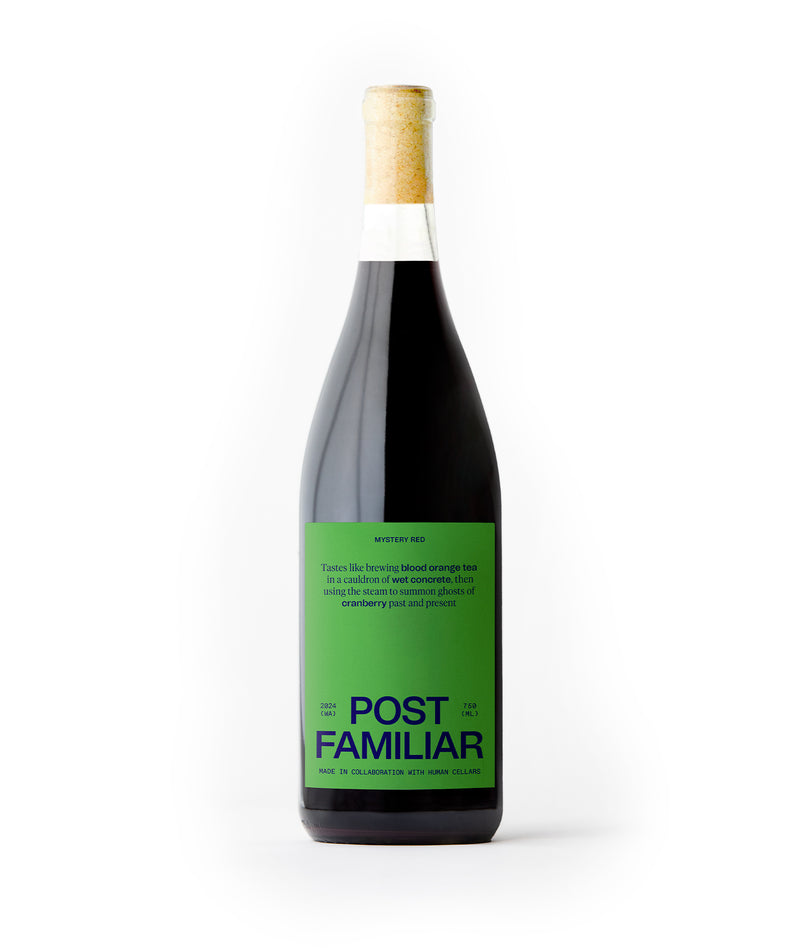
Michael from Cutter Cascadia has been one of our favorite winemakers to work with since we started, and his project continues to deep dive into both the known and unknown corners of the Columbia Gorge. He was a collaborator on our spritzy Chillable Red (affectionately nicknamed Columbia Gorge Lambrusco) and our Hazy Chardonnay, which was the most popular wine we’ve released. He’s also the collaborator for our wine club exclusive this year - our Aged Pet Nat. Overall, these spring releases represent our third and fourth projects with him. Lucky us.
One of the joys of this project is that once we’ve established a working relationship with someone, they tend to keep us in mind when they’re looking for creative solutions to strange vineyard or winery situations. For this wine, the story is mostly about the vagaries and mysteries of fermentation.
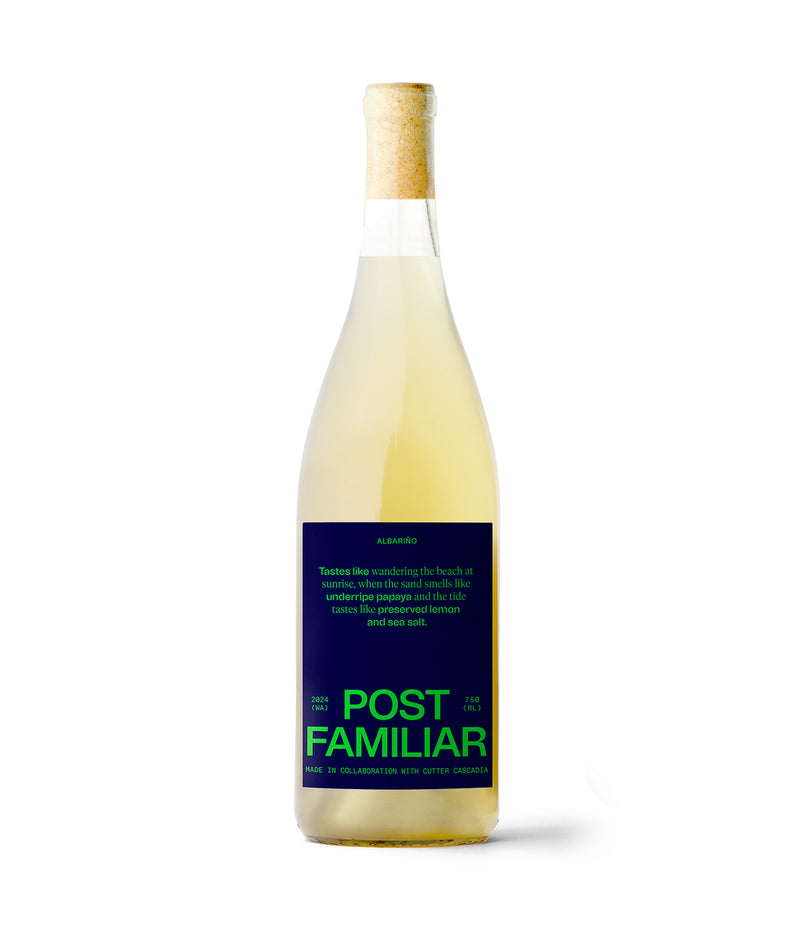
The grape here is Albariño. It mainly thrives in Galicia, in northwest Spain. Galicia looks and feels a bit like Oregon - green rolling hills, verdant, cold nights, rain. But the big difference is that the vineyards are often right on the Atlantic Ocean. There’s a saltiness imparted on the wines from the influence of the sea, along with tremendous disease pressure from the moisture. Although Albariño isn’t easy to farm there, it produces wines with lightning-bolt freshness and surprising texture. They are shellfish wines through and through. It’s one of our favorite grapes in the world. But despite the visual similarities between Galicia and Oregon, you rarely see it planted here. So when Michael called us about an opportunity (situation) with his new Albariño, we were all ears.
This was in late spring 2025. The Albariño had been picked in fall 2024 and had been slowly fermenting over the winter. Albariño is a very very high-acid grape (in the same vein as Riesling), and sometimes that acidity slows fermentation. So it wasn’t necessarily surprising that things were moving slowly, but it’s always a bit worrisome. At this point, the wine still had a decent amount of natural grape sugar, but because of the ripping high acidity, it tasted amazing.
I always say you should think about sugar in wine the way you would in a margarita. You don’t want a margarita with no sugar - that’s just lime juice and tequila. Harsh. But you don’t want too much sugar either. For most of us, that overly sweet, manufactured sweet-and-sour mix triggers instant visions of our future hangover. You want balance. That’s what makes a great cocktail. Wine can be the same way.
This is the tightrope German Riesling walks so well. Most Rieslings need a little bit of sugar; otherwise, the enamel-destroying acidity can feel aggressive. My favorite style of Riesling is called ‘Feinherb’ and it combines high acidity with a barely perceptible amount of leftover grape sugar. I always say a great Feinherb should have ‘margarita balance.’ Even people who are gun-shy about sugar tend to find a good feinherb Riesling to be magical. Because it is. And if you don’t think so, you don’t like joy.
Back to the Albariño - Michael’s wine had a level of residual sugar that was kind of in that Feinherb range. For Riesling, that’s a well-worn path, but in Spain, Albariño is almost always dry. For Michael, this was slightly concerning… but only on paper. In the glass, it was explosive - a kaleidoscope of ripe stone fruit, citrus, citrus peel, salt, and energy. Since it reminded him of a perfectly balanced Riesling, he did the natural thing: called Portland’s resident Riesling dork (me) to taste it
I loved the wine. It was perfect. It made so much sense as a Post Familiar wine. The World’s First Albarino Feinherb. Brilliant, I thought.
But, as these things so often go, the wine had other plans for us.
To prevent residual sugar from re-fermenting (especially in bottle), it’s standard to add a small amount of sulfur to lock things in place. The wine and yeast had concluded their annual dance and had found their natural balance. The sulfur was our way of giving a firm handshake to the wine saying ‘ya, we agree, lets stick with this.’ Sulfur was added, bottling date was set. Done.
Except… not really.
Somehow, for reasons neither of us fully understand, the sulfur addition woke the yeast from their slumber. By the time we checked on it a month later, fermentation had completely finished. No explanation. Just yeast doing yeasty things.
Now it was totally dry. No more Albariño Feinherb.
Initially I was devastated. I loved the idea of bringing a bit of German Riesling juju to a foreign grape in a foreign land. And because all that sugar had converted to alcohol, the wine now clocked in at 13.5% ABV. Substantial. Not crazy (hello Chardonnay), but a far cry from the 11% we expected
But taste is the only metric that really matters. Everything else is just fluff. And when we tasted the wine it had transformed into something totally different but equally compelling. It was layered and deep and still had that tongue in an electric socket acidity. It’s a full bodied wine but the texture is almost like a vehicle for distributing salt crystals across the palate. Spanish Albariño is always salty but we tend to credit that to ocean proximity. This wine suggests maybe the grape itself carries that salt signature. The fruit is still there but has an austerity that makes it feel more grown up. And the wine picked up a floral, beautiful, almost fresh soap bar quality. My initial tasting note I wrote was: tastes like an underripe papaya went to prison and was beaten with a sock full of soap bars, preserved lemons, and himalayan rock salt. I was told I couldn’t put that on a wine label - for obvious reasons - but if you’ve read this far, I’m not too worried about you.
All in all, we couldn’t be happier with the result, even if it wasn't what we initially expected.
Fermentation is a fickle friend (or fiend) and both this Albarino and our Aged Pet Nat share a similar thread of rogue yeasts driving the car. As wine producers, sometimes we’re just sitting in the backseat, staring at the compass on the dash and wondering what direction we're going. But that’s part of the fun, right? We bottled only 48 cases. It’ll be gone by the end of summer, which is perfect, because this wine is built for summer. Drink up.