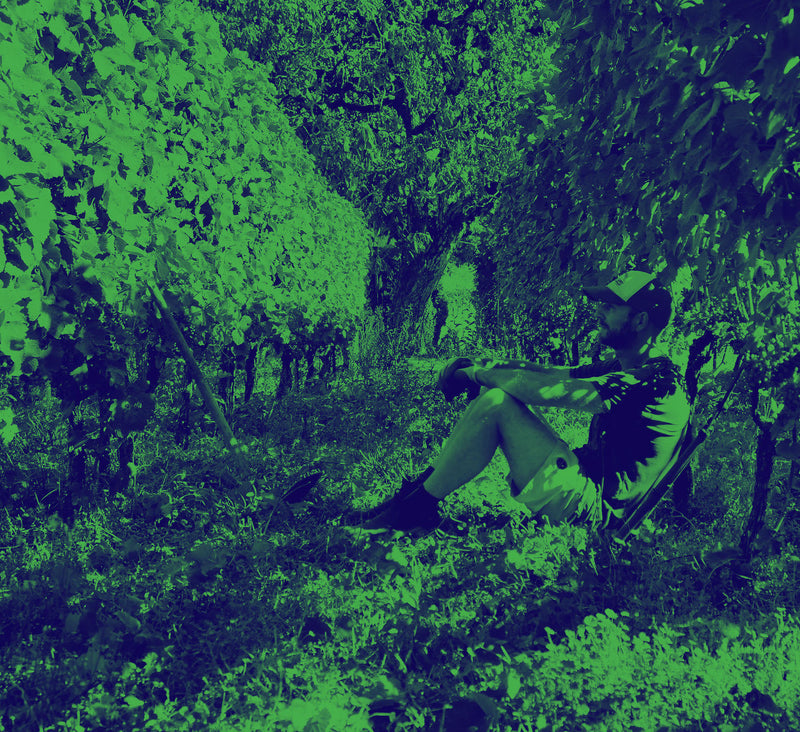
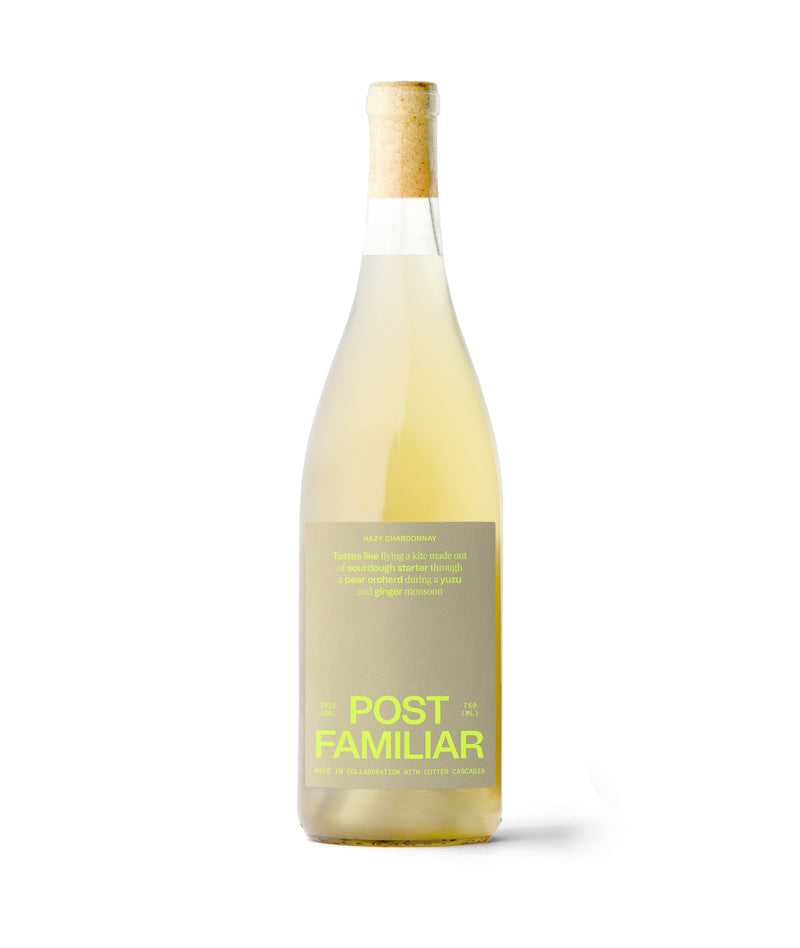
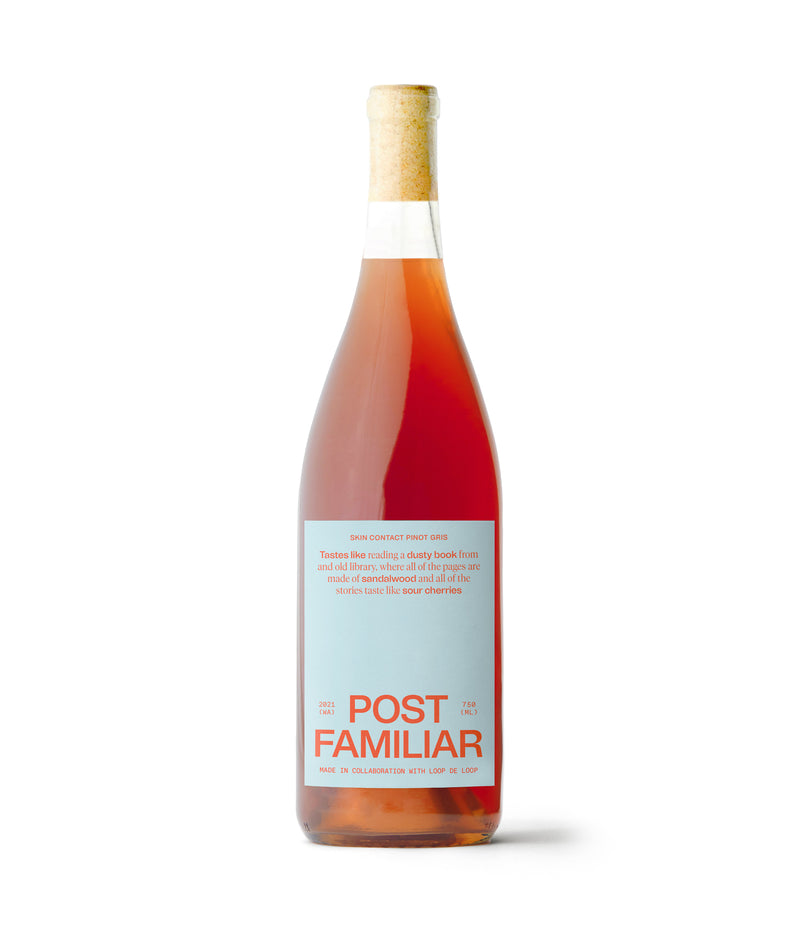
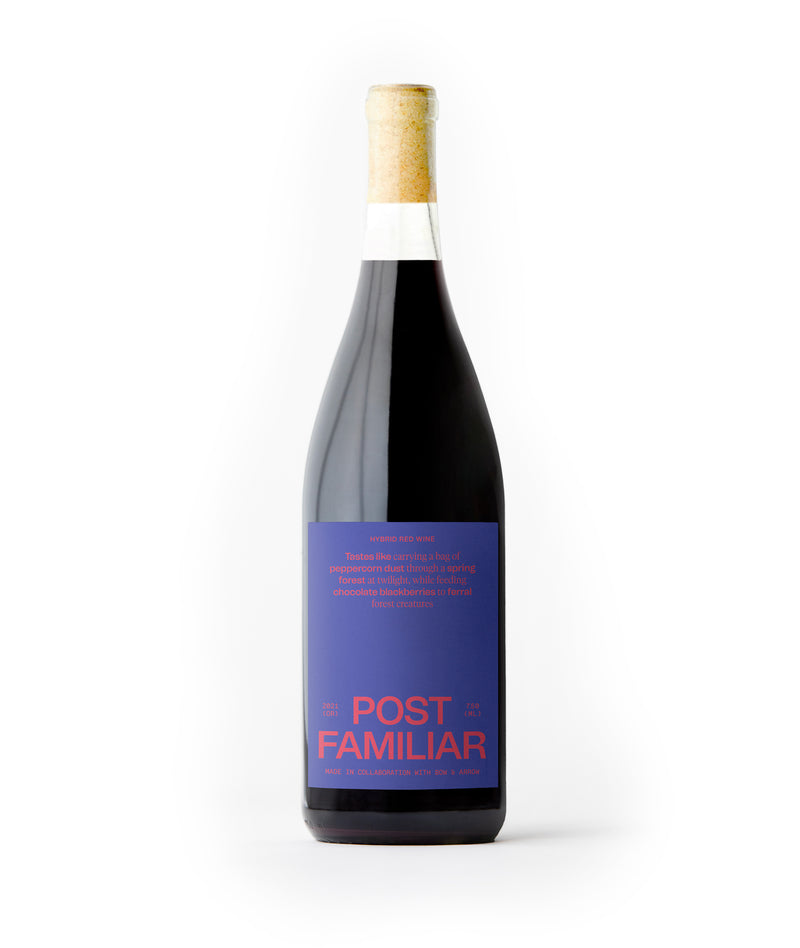
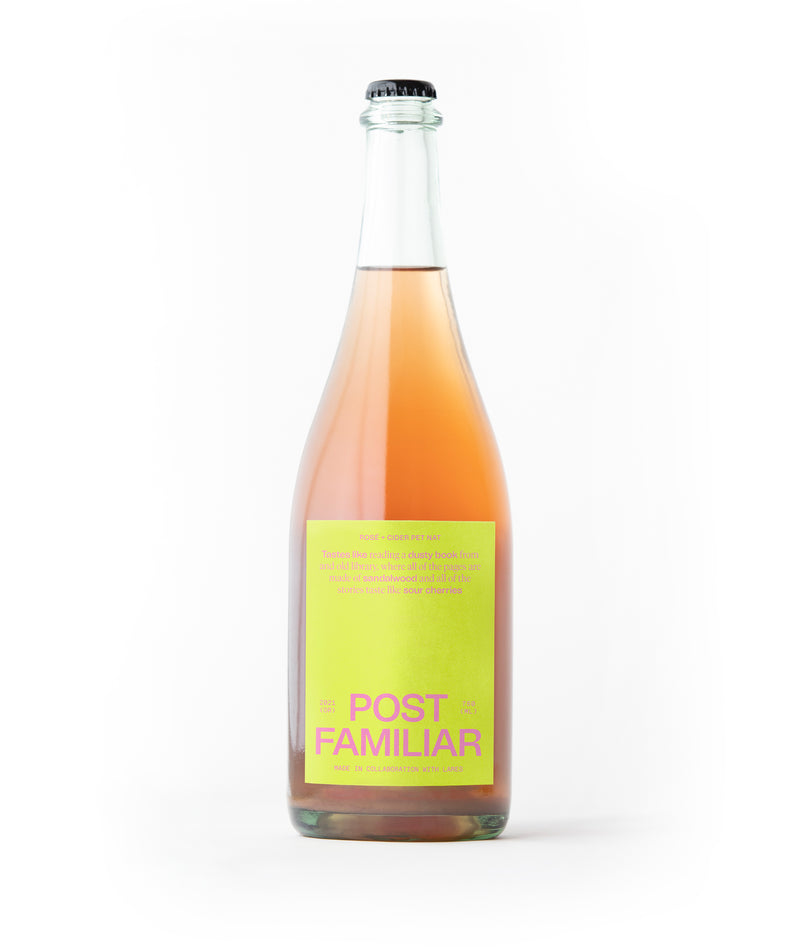
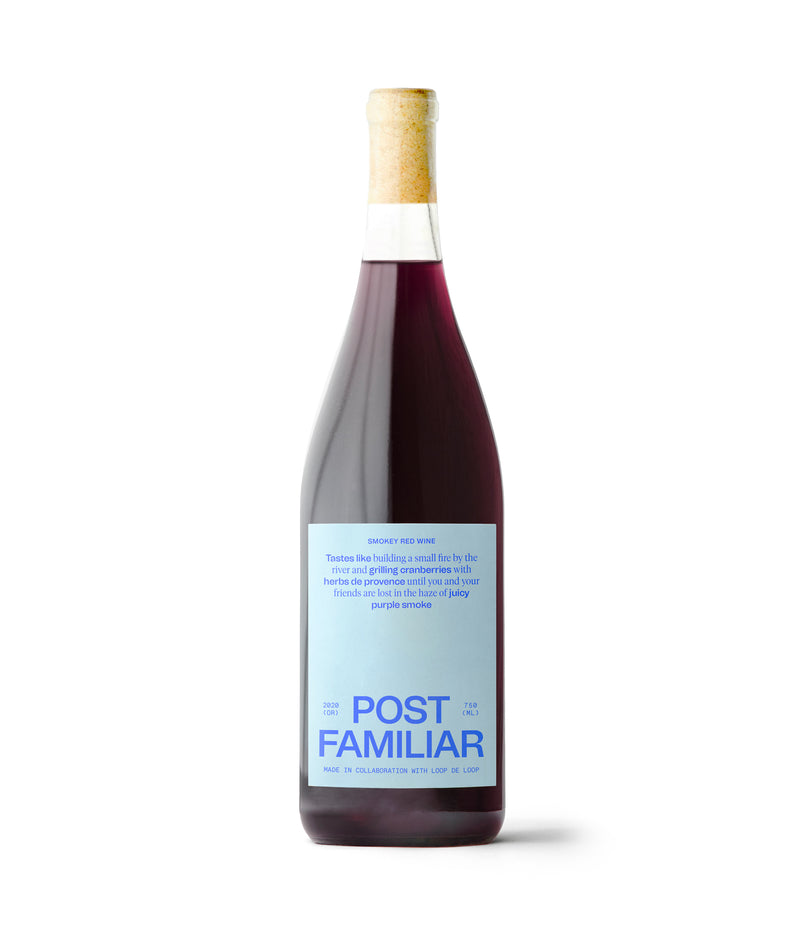
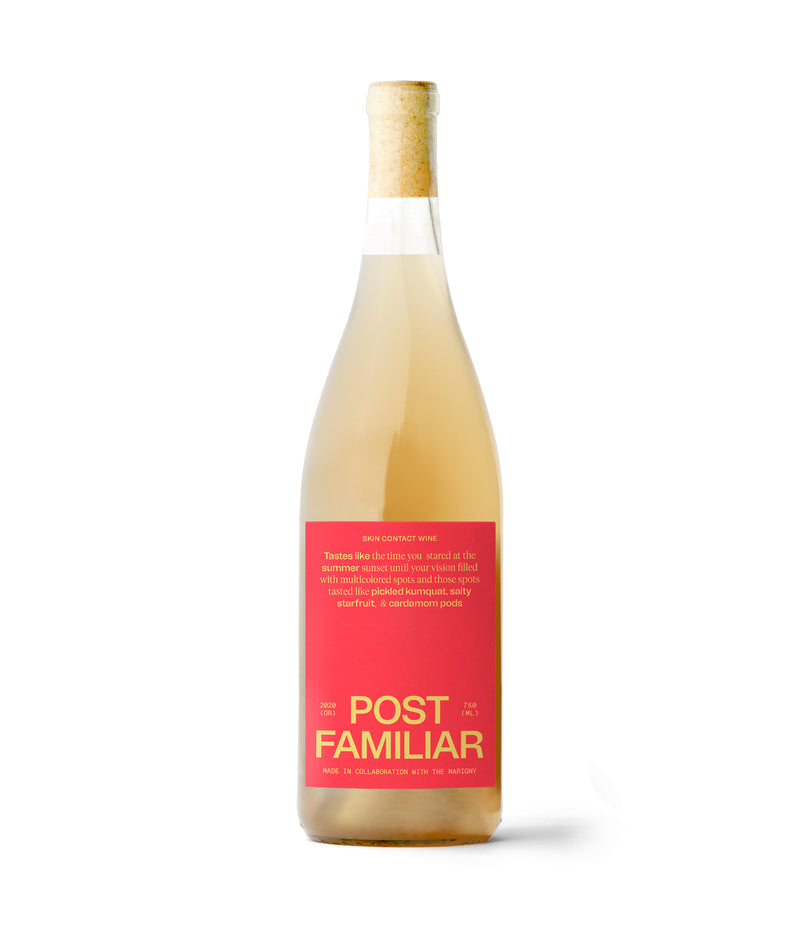
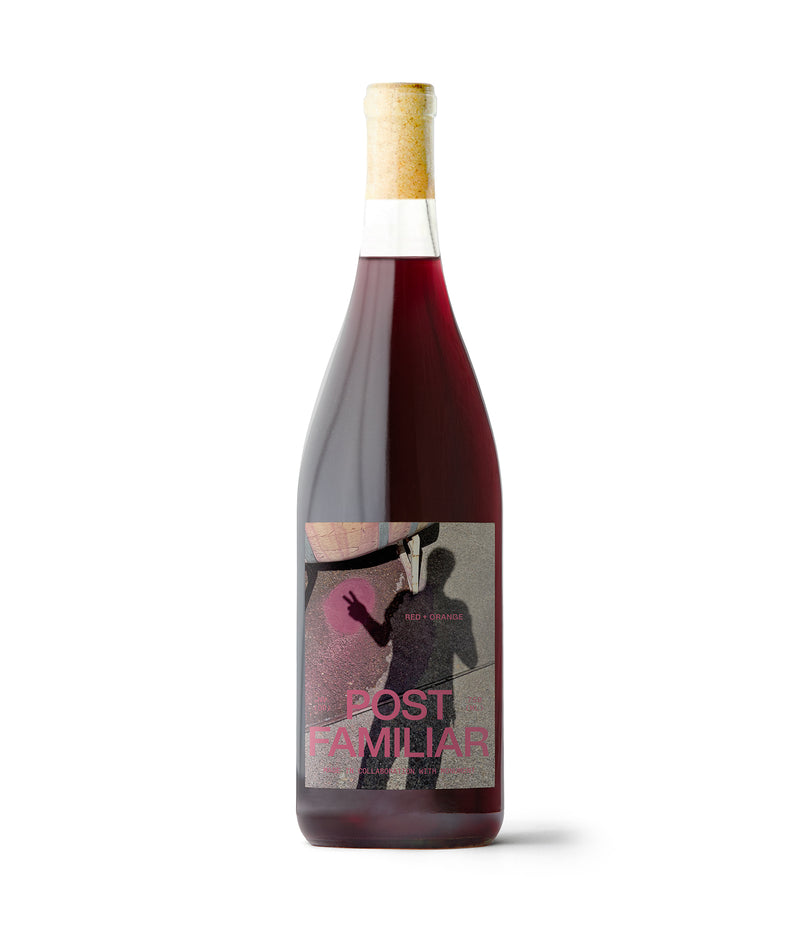
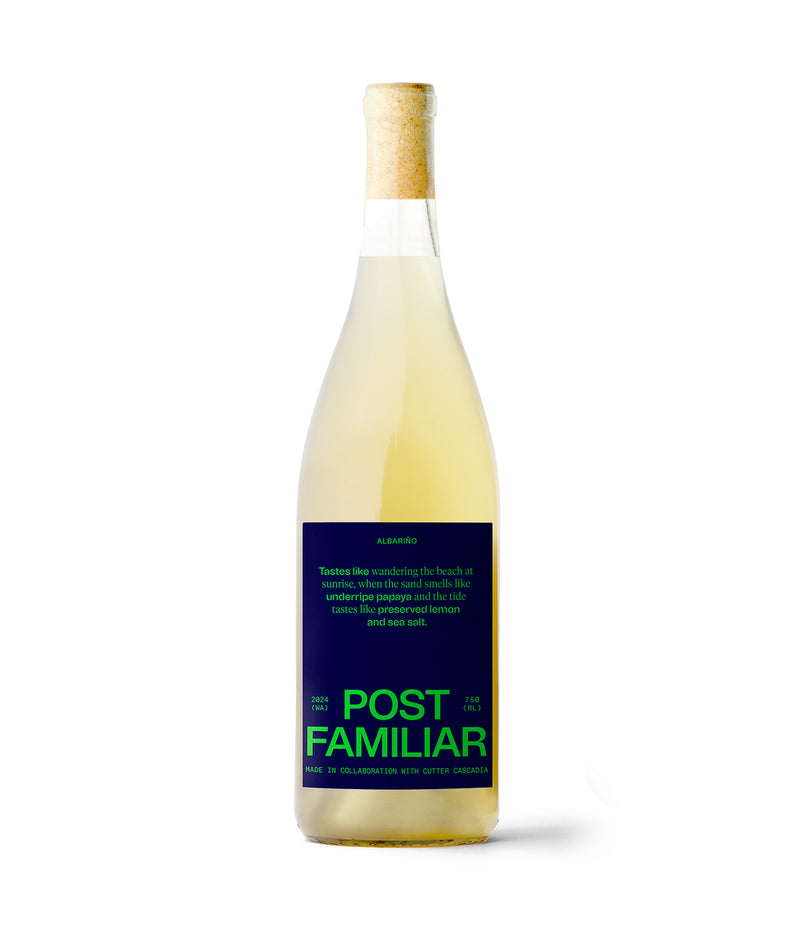
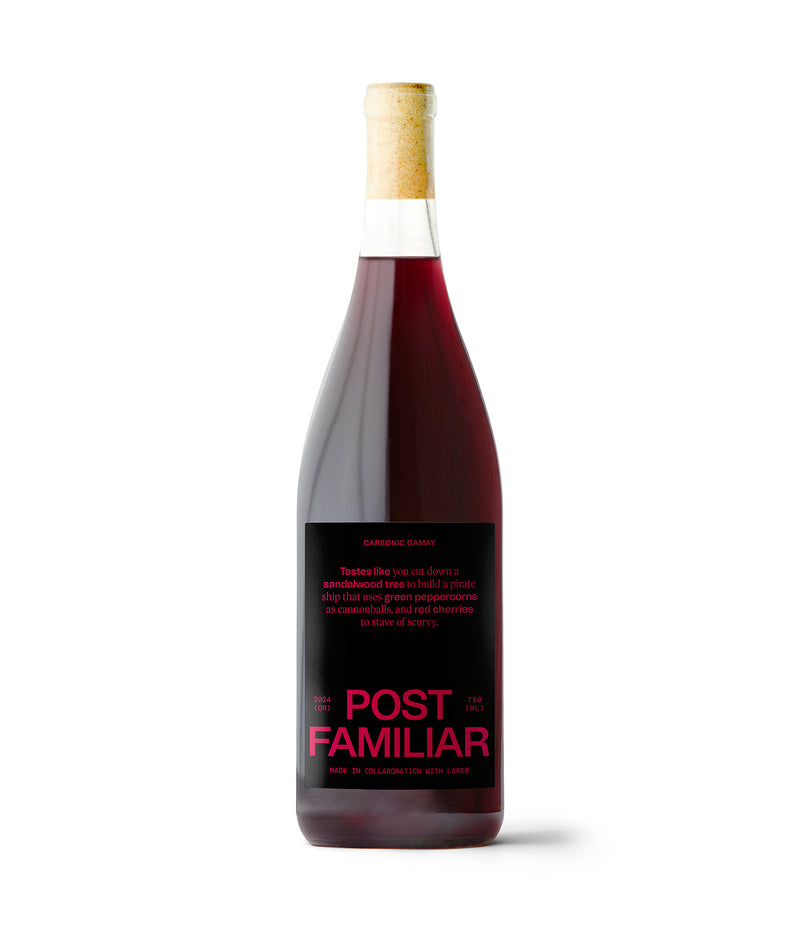
We met Bryan in the Spring of 2022 while working on our first Rose+Cider Pet Nat with Luke Wylde. Luke and Bryan were both working out of Abbey Road Farm at the time and Bryan had just started releasing wine under his new label, Human Cellars. Luke had already prefaced us on what an incredible person Bryan was but we had no idea the details.
Bryan’s life has been pretty crazy. He spent 18 years living all across the world (Bolivia, Myanmar, Senegal, Gambia) working with underprivileged farmers, doing everything from teaching how to revive exhausted soils to helping establish a marketplace for new crops. He was working in Myanmar, helping with the rice harvest when the devastating 2008 cyclone destroyed the homes of 2 million people. He spent the next 3 years helping people rebuild their lives and basically worked until he collapsed. He needed a reset and took up an offer from a French friend to help with their family’s grape harvest and immediately started envisioning a life in the wine world. Years of working for large non profits had left him disenchanted with development work and he thought maybe it would be better to be part of a community and run a small business and try to effect change that way. Wine offered a perfect lens through which to do that. After a couple years of wine work in France and Germany, he relocated to the Dundee Hills in 2020. Besides making wine, he is also a viticulture instructor at a local community college and he’s been active in teaching free classes in Spanish to vineyard workers through a program called Ahivoy.
Obviously, he was exactly the kind of person we wanted to work with, and in 2022 we partnered with him to release our Student Red. For those who weren't following us back then, this was a wine made from all the leftover grapes farmed by the students of the Chemeketa Viticulture program. We loved that wine, but unfortunately it was only about 35 cases and was gone in a snap.
We’d been eager to work with him again, and the feeling was mutual. 2023 passed and while we sniffed around a few ideas, nothing came to fruition. But then, in late summer of 2024
Bryan gave us a call—and the situation turned out to be even stranger and more exciting than we had hoped.
In the prior year, Bryan had grafted part of his vineyard over to a white grape called Grüner Veltliner. To do this, a grower works with a nursery, which provides young scions of the desired variety—in this case, Grüner. You then graft those Grüner sticks onto the rootstock of whatever’s already planted. It’s a fast and efficient way to change a vine from one grape to another while keeping the established root system intact. What’s wild is how completely the plant adopts the identity of the grafted vine.
Bryan wanted Grüner because, as an Austrian grape, it seemed like a smart (and slightly offbeat) fit for the Dundee Hills. But around August, half the vines started producing red grapes instead of white. Not ideal. After some back-and-forth with the nursery, the cause became clear: they’d made a mix-up. Half the scions weren’t Grüner at all—they were some unidentified red grape. And the nursery had no clue what it was. Their records only showed Grüner. After owning up to the mistake, they agreed to pay for re-grafting the vineyard after harvest. That still left Bryan with a more immediate dilemma: what to do with half a vineyard’s worth of mystery red.
When he asked if we wanted it for a Post Familiar wine, obviously we said yes
Phase One: Grape Detective Work
First step? Try to figure out what the hell it actually was. Because you don’t make Pinot Noir the same way you make Cabernet Sauvignon. The grape mattered and it was inform how we wanted to make the wine. This is gonna get a little geeky here, but if you’re into investigative wine drama, welcome to the deep end.
Luckily, grape varieties have visual fingerprints. We started with the leaves.
We started with the leaves. A grape leaf looks like a handprint and it has ‘lobes’ which are like fingers. Some grapes have leaves that are almost round (not many lobes), others look more like a spread-out hand with deep spaces between the ‘fingers.’ Our mystery leaf has 3-5 lobes. That ruled out a bunch of options right away: Pinot Noir, Gamay Noir, Barbera, Malbec and a ton of others—all too round. Gone.
Next: leaf texture. Grape leaves have different textures on the underside. Some are smooth, some are fuzzy.The undersides of our leaves were smooth. That knocked out Grenache (super wooly) and Tempranillo (cobwebby fuzz). Based on leaves alone, we were leaning toward Cabernet Franc, Merlot or maybe Carménère.*
Then we looked at cluster morphology (one of my favorite things to say when I want to sound smart.) Cluster shape varies between grapes: some are tight, others loose. Some are straight, some have “wings” near the top.
Our mystery clusters were loose with little wings. That ruled out Pinot Noir again (tight and straight). And it likely ruled out Sangiovese which—while it can have wings—tends to be tighter. Not a hard no, but not a great fit either. As far as grapes that have loose clusters with wings, our top contenders were Zinfandel or Nebbiolo
The final clue was the berries themselves: hard with 22° Brix in mid-September. And strongly tasted of pyrazine (a distinct bell pepper note.) Only a few red grapes have pyrazines. This detail mattered alot. While trying to identify grapes by looking at their leaves and clusters can be somewhat subjective, this was more science based and it helped us cut through a lot of ambiguity. Most grapes wouldn’t show those sugar levels at that time of year and still be that firm. And only a few have pyrazine.
Some of our top contenders were now cut - Nebbiolo and Zinfandel. We narrowed it down to three: Merlot, Carménère, Cabernet Franc.
Phase Two: Winemaking Minimalism
We didn’t want to interfere too much. The grapes were destemmed, fermented with minimal intervention, and aged for nine months in neutral barrel. Nothing fancy. No tricks. Any kind of winemaking tomfoolery would have just muddied the process. Just trying to get out of the way and let the fruit speak.
Once bottled, we dug in.
The wine showed bright acidity, juicy fruit, and a spectrum that ran from cranberry and strawberry to marionberry. The tannins lingered, but the texture wasn’t grippy. We also pulled lab numbers—alcohol and pH—which helped confirm a few things.
Most importantly though, the wine tasted like Cabernet Franc.
It felt like Zinfandel or maybe Carménère. But Zinfandel was already eliminated
We had a hunch about which one it was—but no way to be sure.
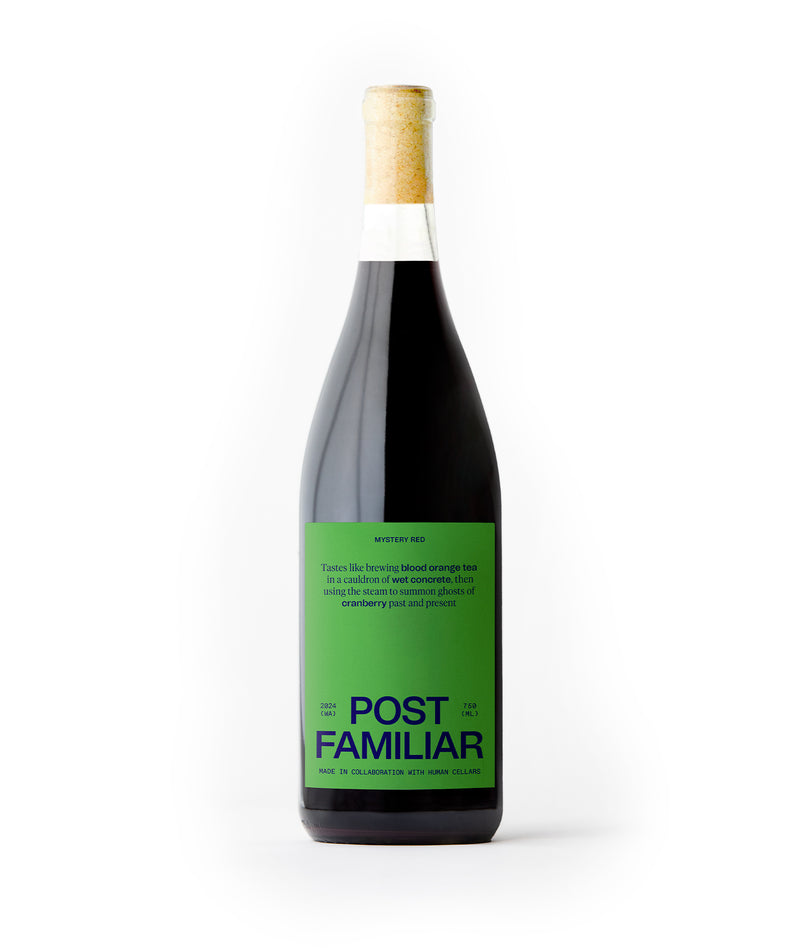
So we bottled it as Mystery Red. Because sometimes wine should keep its secrets.
Drink it for the cranberry-blood orange fruit. For the freshness against the odds. For the story it refuses to tell all at once. And if you decide it’s Carménère, Cabernet Franc or Merlot—or something else entirely—we won’t argue.
Some mysteries taste better unsolved.